Why this guide exists
We understand the immense pressure facing Australian business owners today. A 2026 BizCover report reveals that 31.7% of small business owners take zero time away from work, a statistic that perfectly explains the current burnout epidemic. This constant grind leads directly to a loss of executive function and deep physical exhaustion.
Our team created this breakdown because retreats work best when you can clearly visualize the experience before committing your valuable time. It expands on our main equine healing retreats page, giving you the day-by-day picture behind the formats offered there.
You need to know exactly what happens on an equine healing retreat before making the drive.
The rhythm below is a sample shape that guests often naturally fall into rather than a strict timetable. We deliberately keep the structure loose because genuine restoration happens in the empty spaces. Let’s look at the daily pacing, the science behind the relaxation, and how these unstructured days actually unfold.
Arrival day
Your first afternoon focuses entirely on stepping away from the daily grind and resetting your nervous system. You will drive in during the afternoon to meet Soo and settle into your specific accommodation at either The Stables or Gang Gang Hideaway. The goal here is simple: unpack, put the kettle on, and let the stress of the highway fade away.
Our guests often notice a physical shift within the first few hours. This immediate relaxation response is tied to improving your Heart Rate Variability (HRV). Shifting from a busy Australian city to a quiet rural paddock signals your brain to lower its defensive responses.
We can schedule a brief introductory session on arrival day if you need help transitioning. A gentle somatic grounding hour works incredibly well to help you land in your body.
Studies, including a major review in the Journal of Traumatic Stress, show that somatic methods are highly effective at releasing trapped physical tension. Most guests simply prefer a quiet first evening on the deck to watch the herd.
Day one, settling in
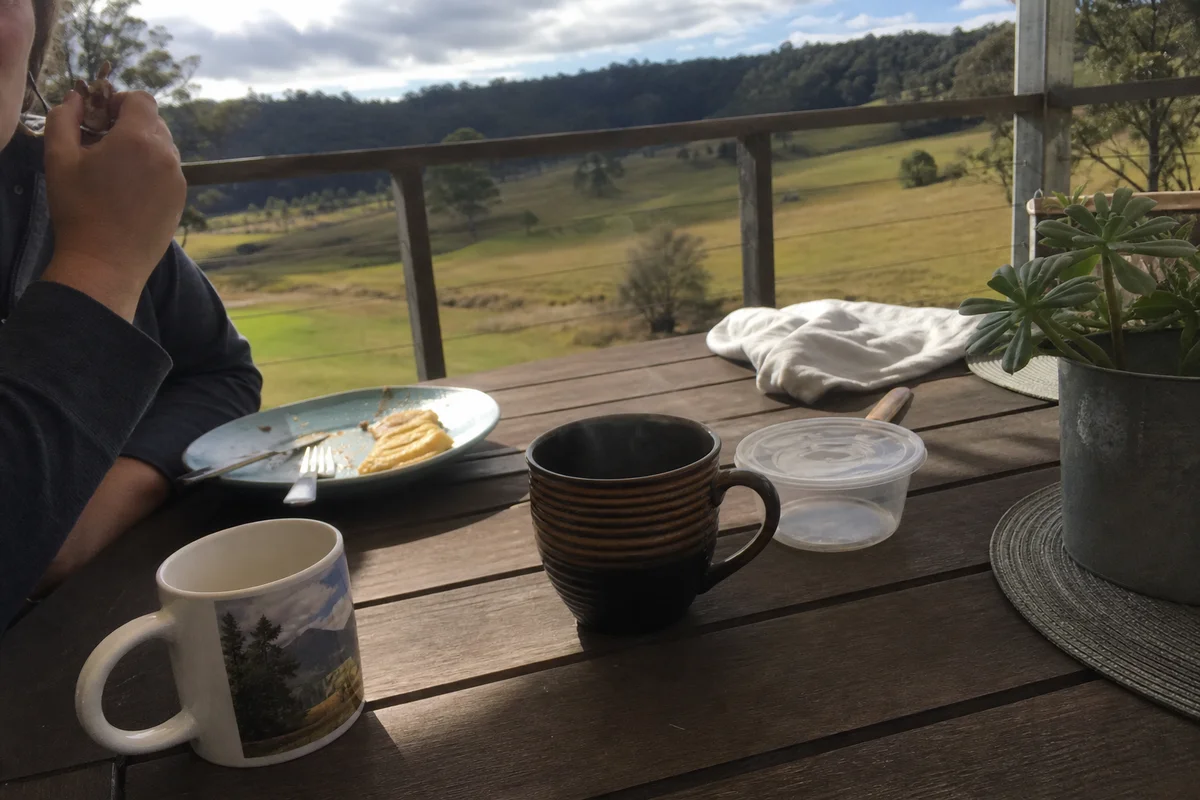
Mornings at the property intentionally start at a slow, gentle pace. You will likely spend your first morning drinking tea on the deck, listening to the local birdsong, and watching the morning fog clear over the paddocks. Some guests choose to journal, while others simply observe the horses grazing in the distance.
Mid-morning is typically when your first structured session occurs. We highly recommend starting with a 1:1 Somatic Energy Healing hour with Soo and the herd. This focused time provides a gentle way to arrive fully in your body and begin the actual equine retreat day by day process.
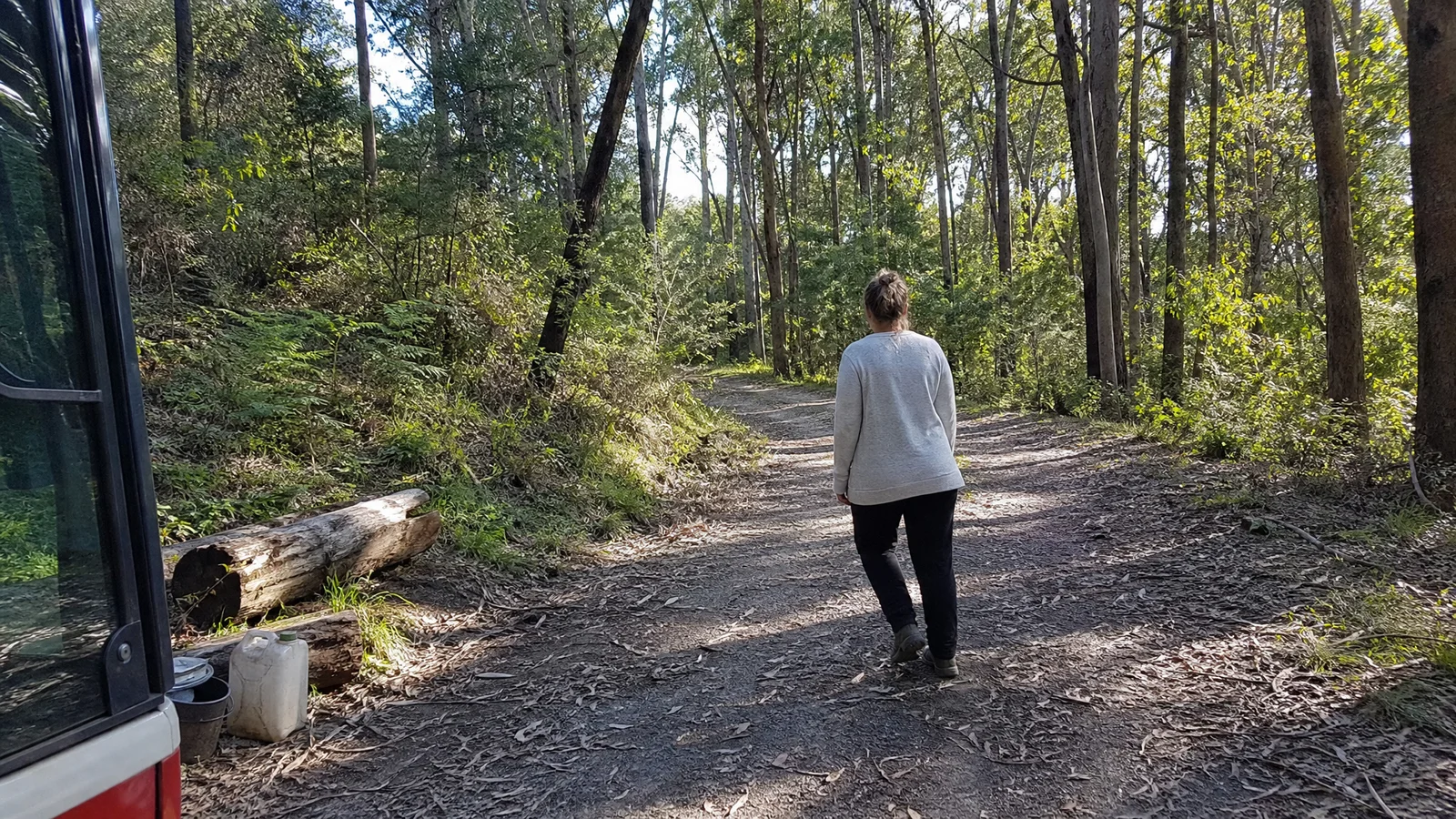
A slow lunch on the deck is followed by a completely unhurried afternoon. You might take a walk in the forest at the property’s edge, spend an hour in the paddock with the herd, or take a nap by the wood fire. A 2026 study published in Nature Human Behaviour confirmed that spending just 20 minutes in a forest environment actively lowers cortisol levels by up to 13 percent.
Your day ends with a simple dinner and a deeply restorative early night.
The science of an unhurried afternoon
- Cortisol reduction: Time in the trees quickly lowers your primary stress hormone.
- Mental clarity: Unstructured time repairs the cognitive fatigue caused by daily decision-making.
- Sensory regulation: Natural sounds replace digital notifications, calming your amygdala.
- Better sleep: Sunlight exposure during a forest walk helps reset your circadian rhythm.
Day two, going deeper
Day two is often the turning point where something quietly gives way and true rest begins. Guests frequently wake up feeling more grounded than they have in months, largely because sleep quality tends to be exceptionally deep on the first night. We see this shift constantly in high-achieving professionals.
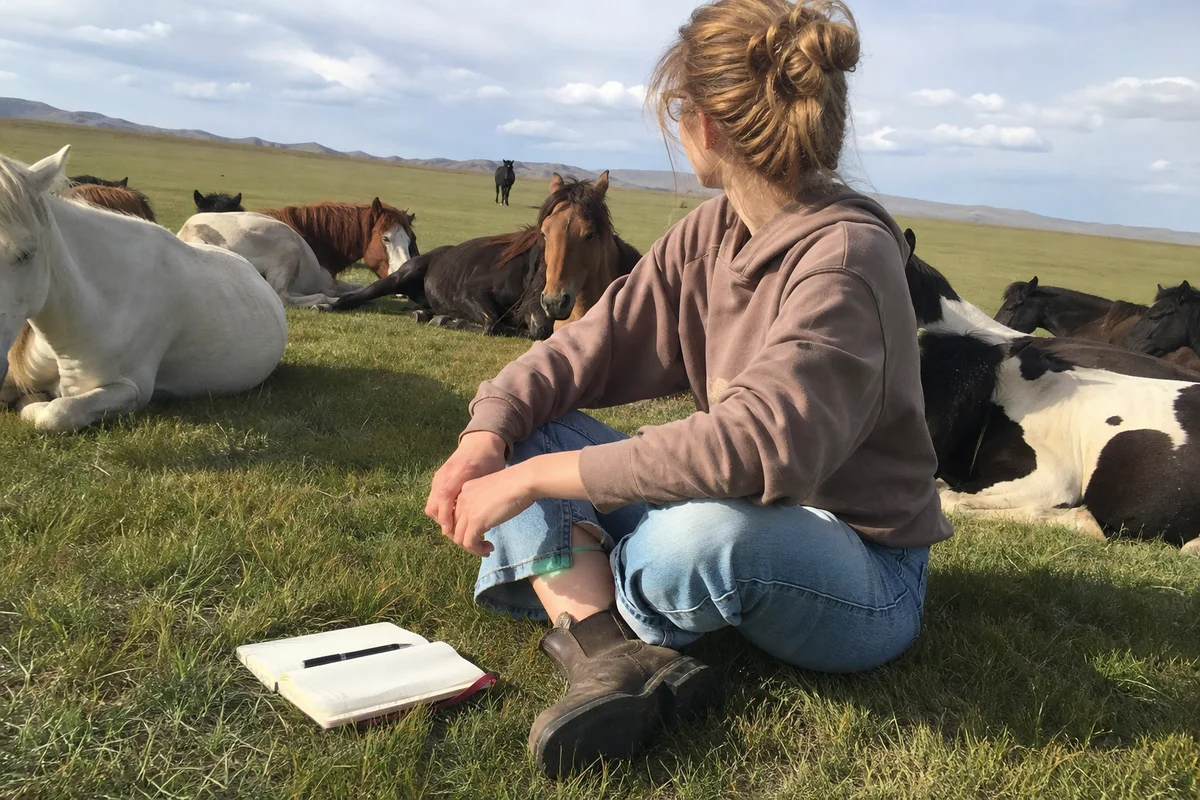
A common day-two rhythm starts with a Reiki With The Herd session to help you receive calm, grounding energy. Horses act as massive biofeedback machines, immediately sensing and mirroring your emotional state. This clear, non-judgmental feedback is why equine therapy produces such measurable outcomes in emotional regulation.
There is no correct shape to the afternoon. You might take a long walk, write in your journal, or commit to keeping your phone turned off until dinner. According to 2025 data from the Australian Chamber of Commerce and Industry, 44% of business owners experience high levels of chronic stress.
The quiet land does the heavy lifting to dismantle that stress, so you do not have to force relaxation. Common signs of this physiological shift include:
- Noticeably deeper breathing patterns.
- Reduced muscle tension in the jaw and shoulders.
- A spontaneous desire to disconnect from technology.
Day three (extended retreats)
Extended retreats lasting three to seven nights usually build in a full rest day to help your nervous system consolidate the benefits. We highly encourage using this time to simply exist without an agenda. You can take further forest walks, read a book, or take a slow drive into a nearby country town for a proper Australian flat white.
Our bodies need quiet space to process emotional shifts before starting another structured session. This downtime activates your parasympathetic nervous system, pushing you into a deep rest and digest state.
- Integration space: Time between sessions prevents emotional overload.
- Town visits: A slow coffee run offers a gentle reintroduction to social settings.
- Nature immersion: Extended time outdoors solidifies the drop in baseline anxiety.
- Self-directed healing: You decide exactly how much activity feels right for your body.
Departure day
The final morning of your healing retreat itinerary is deliberately kept slow and quiet. Soo will often check in briefly for a warm goodbye rather than a formal debrief. You receive the necessary space to leave with the same quiet intention you arrived with.
We recommend taking the time for one last cup of tea on the deck and a final walk to the fence. Packing your bags should feel unhurried and calm.
Most guests drive away feeling lighter, quieter, and deeply reconnected to themselves. Restoring your executive function means you return to your business or home life with renewed focus and patience. Many people are genuinely surprised by how much a few unstructured days can accomplish.
“The goal is not just to leave rested. The true measure of a retreat is returning to your daily life with a renewed capacity to handle pressure.”
Meals and downtime
Meals for retreats are intentionally simple and perfectly matched to your specific dietary needs. We understand that eliminating decision fatigue is a massive part of your recovery process. You do not have to worry about planning, shopping, or deciding what to eat.
If you prefer the comfort of preparing your own food, you are absolutely welcome to cook in The Stables kitchenette. We source fresh, local ingredients to ensure every meal feels nourishing and supportive.
Downtime is never treated as an afterthought or a gap between sessions. This quiet, unstructured time is the core of the retreat experience.
What next
If a restorative schedule like this sounds like exactly what you need right now, talk to Soo about adapting a retreat to your preferred dates. We are here to help you figure out the logistics.
To choose between a single day, a weekend, or a longer extended format, reading our choosing your retreat length guide is the perfect next step.