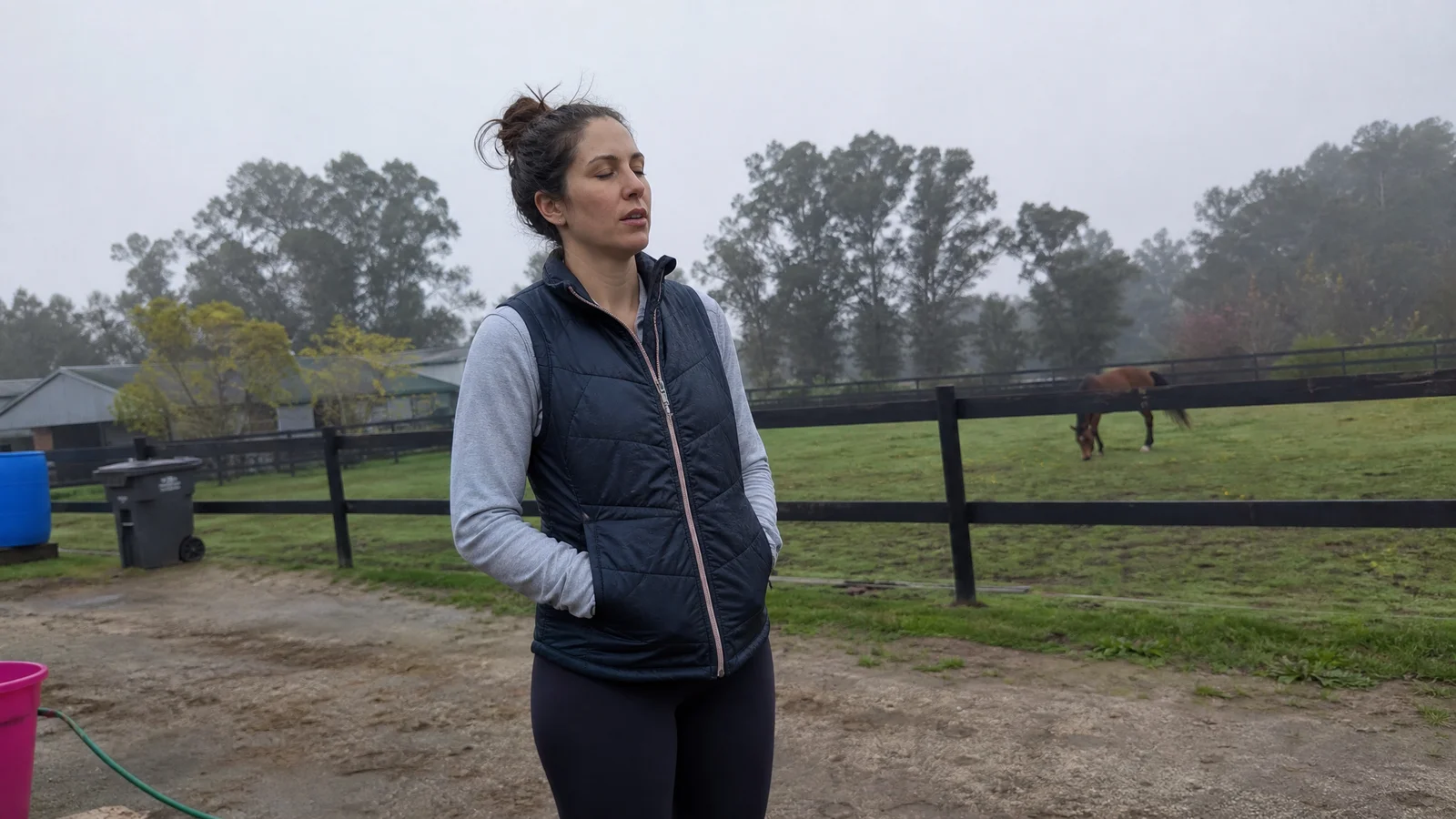
Why this guide exists
You know how traditional conversations about stress often leave you with great intellectual insight, but zero physical relief?
We see this disconnect constantly with Australian business owners and homeowners. Understanding somatic therapy vs talk therapy burnout recovery is crucial because intellectual awareness cannot always release physical tension.
According to the 2025 Council of Small Business Organisations Australia (COSBOA) report, 57% of local owners report experiencing severe burnout. That staggering statistic represents real people who understand exactly why they are exhausted, yet still wake up feeling completely depleted.
Our team created this guide to explain exactly why this happens. Let’s look at the data, explore the biological reasons your body resists talking, and break down a practical workaround using nervous system regulation.
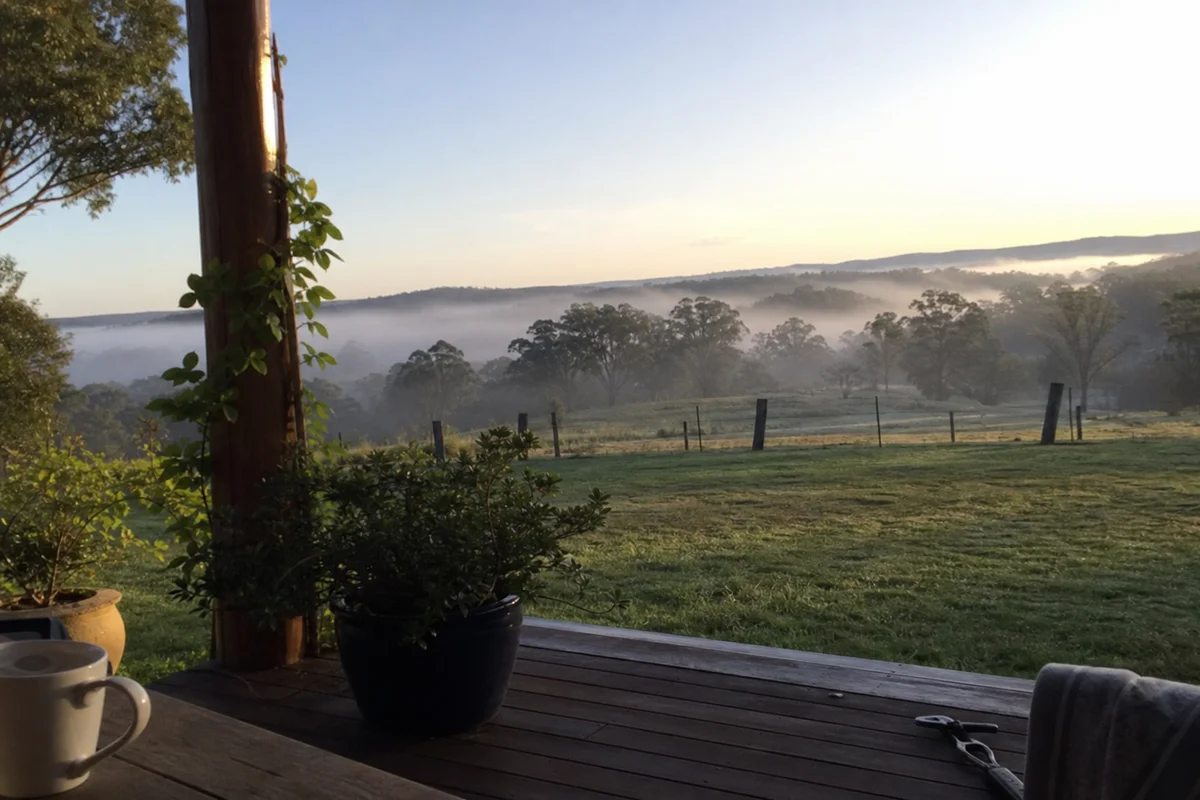
Top-down vs bottom-up, in plain language
Talk therapy works “top-down” by changing your thoughts, while bottom-up methods start with physical sensations to calm your nervous system first. We use this distinction to help clients choose the right tool for their specific exhaustion.
Traditional approaches like Cognitive Behavioural Therapy (CBT) excel at helping you bring language and meaning to what is happening. They reach parts of the nervous system that are online for conversation, which are usually the parts that already have some capacity to reflect.
Our bodies hold onto stress and pain long after the mind has moved on. Body-held stress sits below the level of language. A clenched stomach or a tight jaw cannot be reasoned with, because those physical reactions are not sitting in the part of you that talks.
To make the choice clearer, here is a quick comparison of the two approaches:
| Feature | Top-Down (Talk Therapy) | Bottom-Up (Somatic Therapy) |
|---|---|---|
| Starting Point | Thoughts, language, and meaning | Breath, muscle tone, and physical sensation |
| Primary Goal | Insight and reframing past events | Nervous system regulation and safety |
| Best For | Processing known patterns and history | Releasing trapped physical tension |
Bottom-up approaches like Somatic Experiencing, developed by Dr. Peter Levine, work the other way around. Instead of starting with a story, they start with your physiology. We let the narrative reorganise itself only after the body has found enough room to settle safely.
Why burnout and body-held stress resist talk
Burnout resists talk therapy because chronic stress locks your physiology into a state of low-grade alert that language simply cannot reach. We see this subtle, unyielding hum constantly in people managing long chapters of unresolved grief or intense business pressure.
In this braced state, profound insight often fails to translate into felt change. You can understand exactly why you are depleted, read every self-help book available, and still wake up feeling completely empty. This is not a failure of your mind.
Our team often refers to the “exhaustion funnel” concept highlighted in recent 2024 MYOB business health reports. As daily demands increase, people drop restorative activities until only work and chores remain, trapping the nervous system in a perpetual stress response.
Here are the most common signs that your burnout requires a body-based approach rather than more talking:
- Constant physical bracing: You notice your jaw, shoulders, or hands remain tense even when resting.
- Shallow respiration: Your breathing stays high in your chest, preventing full oxygen exchange.
- Cognitive disconnect: You know you should feel relaxed on a weekend, but your body feels entirely on edge.
- Sleep disruption: You experience 3am wakefulness despite feeling utterly exhausted during the day.
According to the 2025 Carer Wellbeing Survey by Carers NSW, 54% of Australian carers report high levels of distress and physical exhaustion. That data proves the physiology is exactly where the healing work needs to happen. We encourage clients to stop trying to think their way out of a biological problem.
How calm, co-regulating time with a herd reaches the nervous system
Spending time with a calm herd of horses naturally lowers your heart rate by leveraging a biological process called co-regulation. We rely on the animals to create a shared field of quiet attention that human nervous systems can effortlessly borrow.
Horses live in a state of active co-regulation as prey animals. When one member of the herd settles, the others immediately begin to relax. A 2025 study highlighted by the HeartMath Institute confirms that interacting with horses improves human heart rate variability (HRV), which is a key clinical marker of nervous system recovery.
Our clients often experience a profound physical shift just by standing near the paddock. Your body registers that it is near large beings who are not on alert, and it naturally syncs with their steady cardiac rhythm.
To maximise this somatic healing burnout process, keep these insider tips in mind:
- Stop trying to heal: The harder you focus on fixing yourself, the more tense you remain.
- Focus on the environment: Notice the sounds of grazing and the smell of the eucalypts to ground your senses.
- Allow the silence: You do not need to process emotions or force a breakthrough during your time with the herd.
Soo is a trauma-trained somatic practitioner who holds the shape of the hour, while the horses hold the field. You are not being processed, evaluated, or treated. We simply provide the space for you to be present.
What this doesn’t do
This equine experience does not replace medical, psychological, or psychiatric care for active clinical crises. We want to be entirely clear that this is a complementary practice, not a standalone medical treatment.
If you are in immediate danger or need clinical mental health support in Australia, please contact your GP, a dedicated mental-health service, or Lifeline (13 11 14).
Our experience shows that equine interaction is also not a guaranteed magic bullet. Many business owners notice a quiet shift after one single session, while others need several visits to fully down-regulate their systems. Some people find so much physical relief that they return for regular retreats.
“There is no promise of a specific outcome, only a genuinely different door to try when the talking door has stopped opening.”
We cannot force your nervous system to change on a set schedule. Every individual responds to the herd differently, depending on their unique history of stress.
What a first session actually is
A first 1:1 Somatic Energy Healing session is 60 minutes on the land with Soo and the free-roaming herd. We structure this hour with no riding, no forced fixing, and absolutely nothing you have to say.
This environment provides an exceptional form of body-based therapy for grief, giving your physiology permission to simply exist without explanation. The quiet presence of the herd does the heavy lifting for you.
Our sessions prioritise safety and simplicity above all else. You can spend the entire hour just sitting quietly by the fence line if you arrive feeling completely overwhelmed.
If that sounds like the right kind of different for you, reach out for a gentle conversation or read about who a session with the herd tends to suit. Taking this small step could be the exact intervention your nervous system has been waiting for.